Travel Memories Take Center Stage in Home Design
According to recent reports, a growing number of homeowners are embracing travel-inspired interior design to create spaces that reflect their adventurous spirits and personal journeys. This design approach transforms rooms into curated collections of memories rather than generic, store-bought displays.
The appeal of travel-inspired design lies in its ability to create personal, story-driven spaces that feel authentically collected over time. Rather than following predetermined themes, these interiors evolve organically from the homeowner's actual experiences and adventures.
The Art of Collected vs. Cluttered Design
One of the key challenges in travel-inspired decorating is achieving the right balance between meaningful displays and overwhelming clutter. Reports indicate that successful travel-inspired rooms focus on elevated design principles that incorporate adventure elements without making spaces feel like tourist shops.
The difference between a well-curated travel-inspired room and a cluttered souvenir display lies in thoughtful editing and sophisticated presentation. Homeowners are learning to select pieces that serve dual purposes – items that tell their travel stories while also functioning as beautiful design elements.
Translating Adventures into Interior Elements
Travel-inspired design goes beyond simply displaying souvenirs on shelves. According to interior design trends, homeowners are incorporating adventure-inspired color palettes and textures that evoke the essence of their favorite destinations without relying on obvious tourist artifacts.
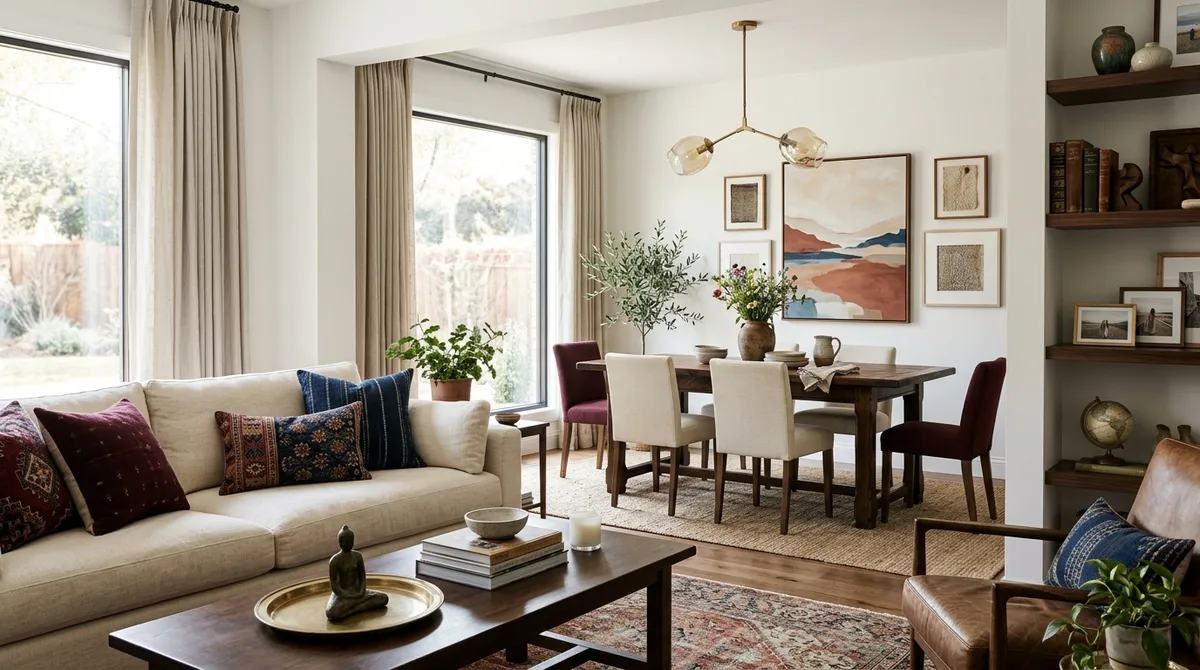
This approach might include using earth tones reminiscent of desert landscapes, incorporating natural textures that recall coastal environments, or selecting artwork that captures the mood of memorable journeys. The goal is to create atmospheric spaces that transport inhabitants back to meaningful travel experiences.
Creating Story-Driven Spaces
The most successful travel-inspired interiors function as visual narratives of personal history. Reports suggest that these spaces work best when they reflect genuine experiences rather than aspirational destinations. Each element serves as a chapter in the homeowner's adventure story, creating rooms that feel both sophisticated and deeply personal.
This design philosophy encourages homeowners to view their travels as opportunities to collect not just objects, but also inspiration for colors, patterns, and design concepts that can be interpreted in their home environments.
Practical Application of Travel Design Elements
Implementing travel-inspired design requires careful consideration of how memories can be translated into livable spaces. According to design experts, the most effective approach involves identifying the emotional essence of travel experiences and finding design elements that capture those feelings.
This might involve incorporating specific color combinations that recall a favorite sunset, selecting furniture with lines that echo architectural elements from memorable buildings, or choosing textiles that remind homeowners of local craftsmanship they encountered during their travels.
The Evolution of Adventure-Inspired Interiors
As travel-inspired design continues to gain popularity, homeowners are discovering new ways to make their spaces feel collected and authentic. The trend reflects a broader movement toward personalized interiors that tell individual stories rather than following mass-market design formulas.
This approach to home styling celebrates the idea that the most beautiful interiors are those that reflect the lives and experiences of their inhabitants. By thoughtfully incorporating travel memories into their design choices, homeowners create spaces that feel both sophisticated and genuinely meaningful.
The growing appeal of travel-inspired design demonstrates how personal experiences can serve as the foundation for creating unique, story-driven interiors that feel collected rather than decorated.