The Power of Strategic Color Choices
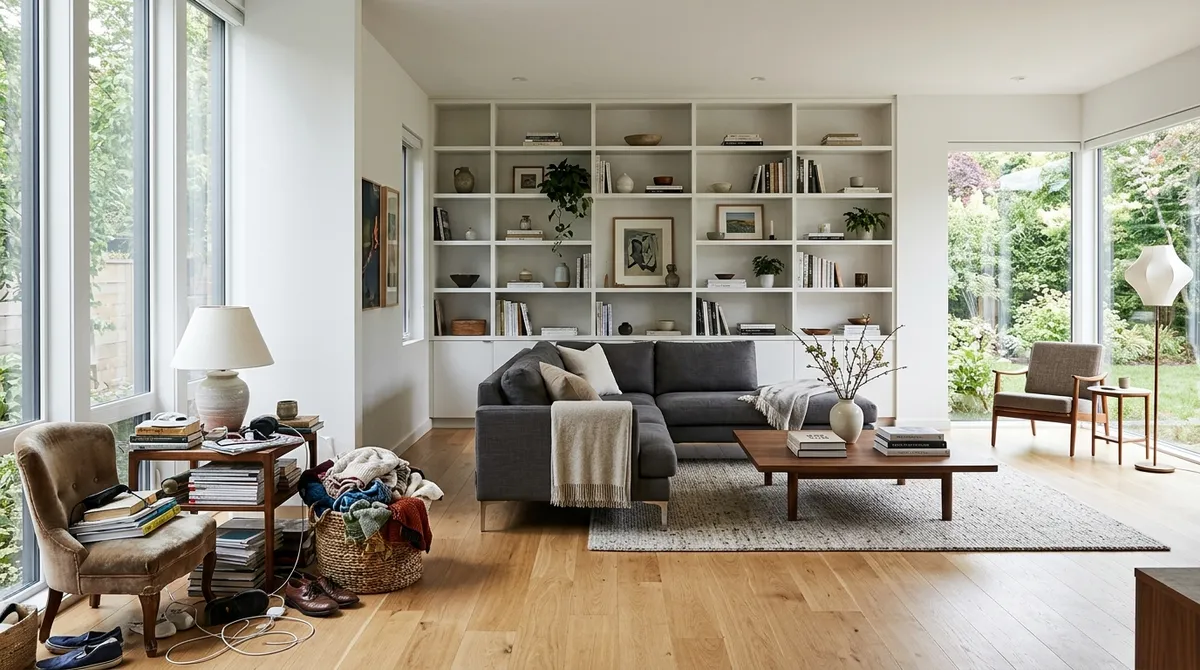
If your room feels off-kilter despite your best decorating efforts, the culprit might be hiding in plain sight: your color choices. According to design professionals, intentional color decisions can transform a disorganized space into a serene, well-designed room that feels both calm and sophisticated.
As home design and DIY room makeovers continue to gain popularity, with more people investing in their living spaces, understanding color psychology and accessible design strategies has become increasingly valuable for homeowners seeking quick, affordable upgrades.
Six Designer-Backed Color Strategies
1. Establish One Bold, Cohesive Color Foundation
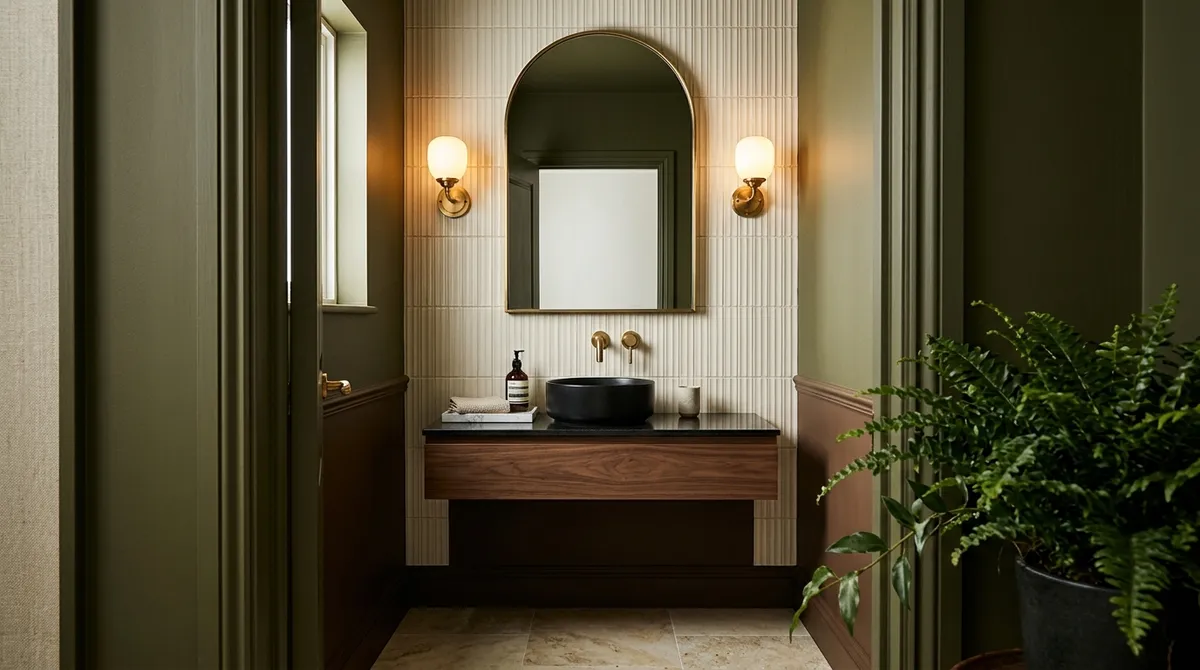
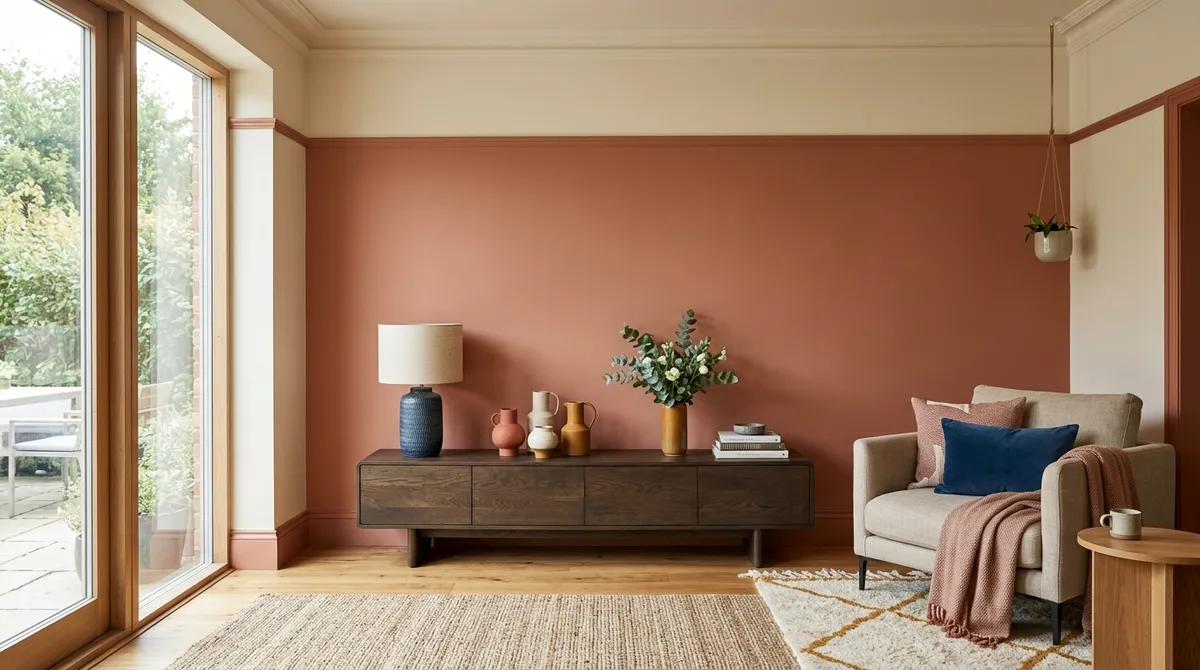
Designers emphasize that one bold, cohesive color decision can serve as the foundation for transforming your entire space. This approach creates a strong visual anchor that helps eliminate the scattered feeling that often plagues chaotic rooms. Rather than introducing multiple competing bold colors, focusing on a single strong hue allows other elements in the room to work harmoniously together.
2. Use a Neutral Base to Anchor the Room
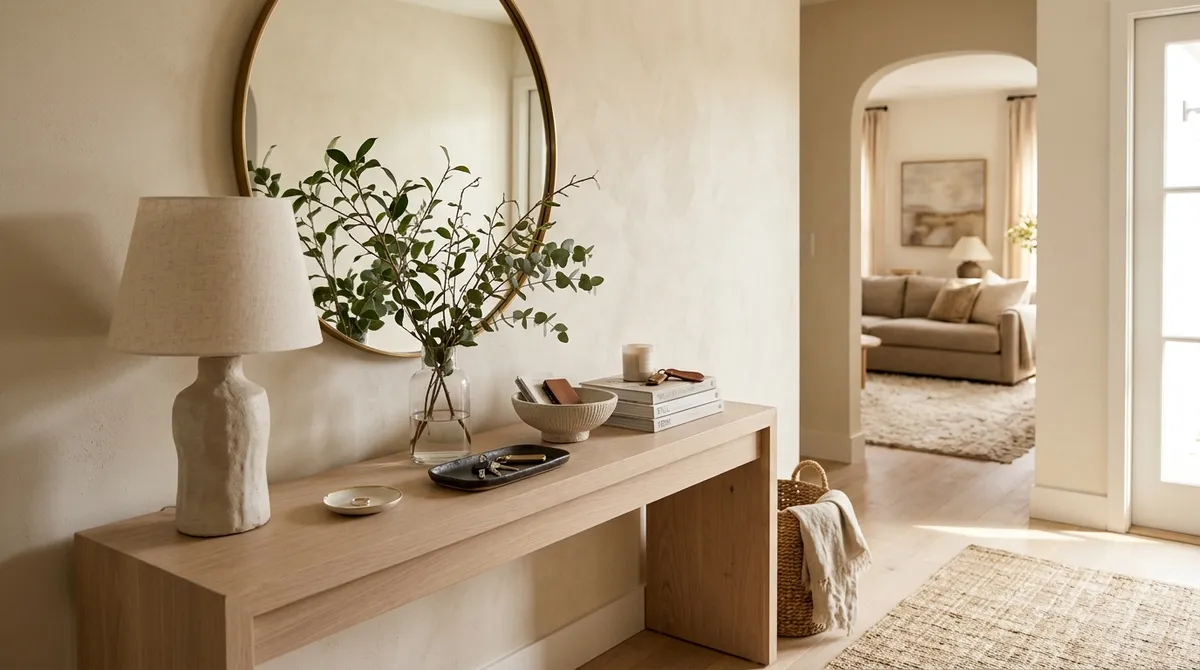
According to reports, establishing a neutral base provides the perfect backdrop for any room transformation. Neutral tones create a calming foundation that allows other design elements to shine while maintaining visual balance. This strategy prevents the overwhelming feeling that can occur when too many colors compete for attention in a single space.
3. Limit Your Palette to 3-4 Complementary Colors
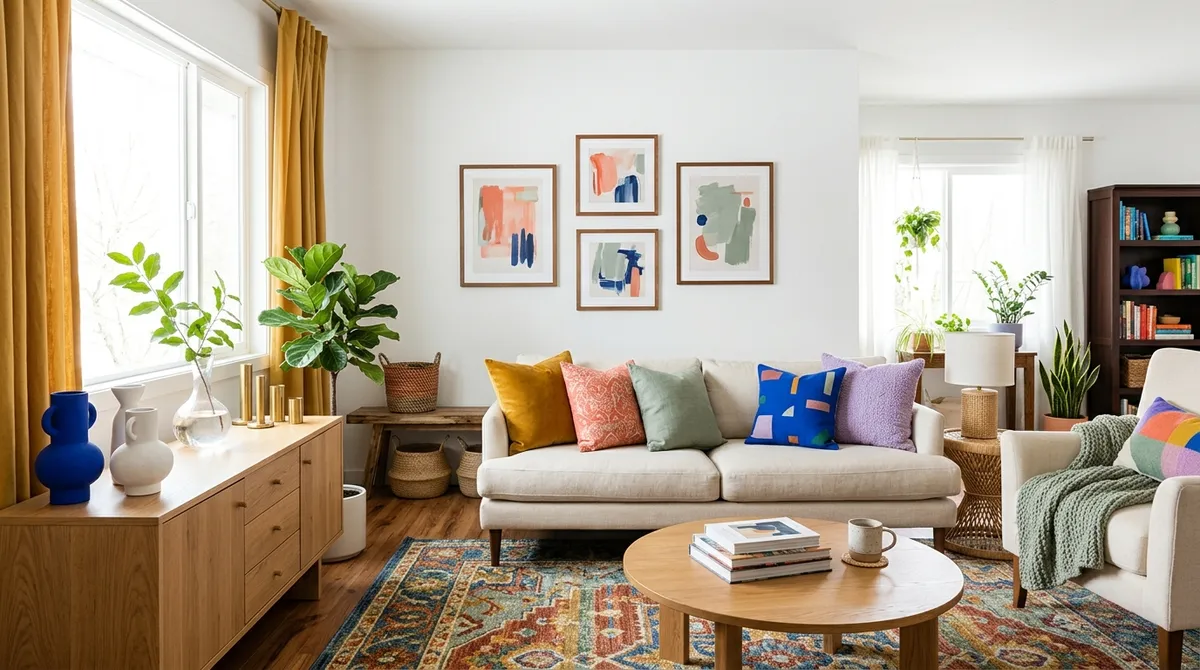
Design professionals recommend restricting your color palette to just three to four complementary colors. This limitation creates visual harmony while providing enough variety to keep the space interesting. By carefully selecting colors that work well together, you can achieve a sophisticated look that feels intentional rather than haphazard.
4. Choose an Accent Wall Strategically
The strategic placement of an accent wall can dramatically impact a room's overall cohesiveness. Rather than randomly selecting a wall to highlight, designers suggest choosing the accent wall based on the room's natural focal points and flow. This approach helps create visual interest while maintaining the calm, organized feeling you're trying to achieve.
5. Match Trim and Ceiling Colors for Visual Flow
Matching trim and ceiling colors creates a seamless visual flow throughout the space. This technique helps eliminate visual disruptions that can make a room feel choppy or disjointed. By creating continuity between these architectural elements, the overall design feels more polished and intentional.
6. Layer Warm or Cool Tones Consistently
Consistent layering of either warm or cool tones throughout the space helps create a cohesive atmosphere. This strategy involves selecting colors that fall within the same temperature family, whether that's warm hues like reds, oranges, and yellows, or cool tones like blues, greens, and purples. This consistency helps unify all the design elements in the room.
Making Design Achievable for Everyone
These color strategies resonate with audiences seeking accessible ways to improve their living spaces without professional help. The beauty of these approaches lies in their simplicity – they can often be implemented through paint and affordable decor swaps, making sophisticated design achievable for non-professionals working with limited budgets.
The Psychology Behind Color Harmony
The reason these strategies work lies in color psychology and how our brains process visual information. When colors work harmoniously together, they create a sense of calm and order that directly impacts how we feel in a space. Conversely, chaotic color combinations can create visual tension that makes a room feel unsettled and disorganized.
By understanding and implementing these six designer-approved strategies, homeowners can transform their most problematic rooms into spaces that feel both elevated and serene, proving that thoughtful color choices truly can make all the difference in creating a cohesive, calming environment.