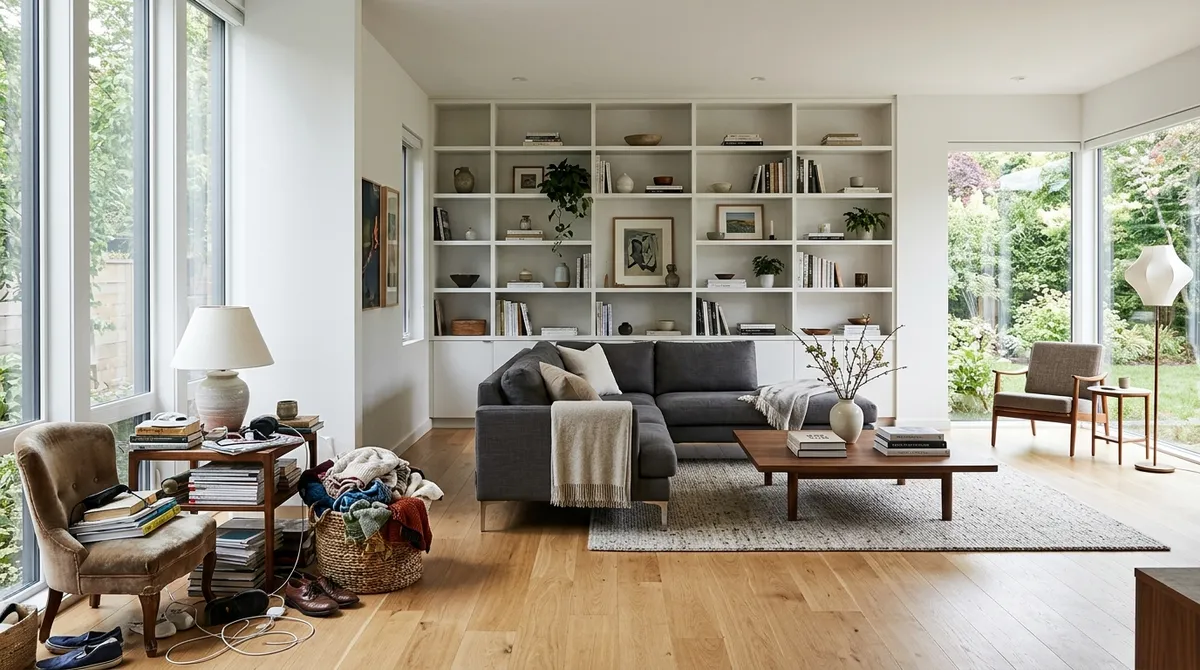
The Hidden Culprits Behind a Messy-Looking Home
Even the cleanest homes can appear cluttered and disorganized, leaving homeowners frustrated despite their best efforts. According to interior designers, the problem often isn't about cleanliness—it's about layout. Professionals have identified three critical mistakes that consistently make living spaces feel messy, regardless of how tidy they actually are.
These layout errors center around scale, spacing, and furniture arrangement—fundamental design principles that can dramatically impact how a room feels. The good news? These issues can be addressed without major renovations or significant spending, making them accessible solutions for most homeowners.
Mistake #1: Ignoring Scale and Proportion
The first major layout mistake involves selecting furniture without considering scale and proportion. According to reports, this oversight creates visual chaos that makes spaces feel unbalanced and disorganized.
When furniture pieces are dramatically different in size or don't complement the room's dimensions, the eye struggles to find a focal point. A massive sectional sofa in a small living room, or tiny accent chairs in a spacious great room, can throw off the entire visual harmony of a space.
Designers emphasize that successful room layouts require furniture pieces that work together proportionally. This doesn't mean everything must be the same size, but rather that pieces should complement each other and fit appropriately within the room's dimensions.
Mistake #2: Poor Spacing and Overcrowding
The second critical error involves spacing—specifically, overcrowding rooms with too much furniture or placing pieces too close together. This mistake transforms even organized spaces into areas that feel cramped and chaotic.
Proper spacing allows rooms to "breathe" and creates clear pathways for movement. When furniture is crammed together or when every available surface is filled, the visual weight becomes overwhelming. The result is a space that feels cluttered, even when everything has its designated place.
Reports indicate that understanding spacing principles can help homeowners achieve the same functionality in their rooms while creating a more open, organized appearance. This often involves removing unnecessary pieces or repositioning existing furniture to create better flow.
Mistake #3: Misaligned and Haphazard Placement
The third mistake centers on furniture placement and alignment. According to designers, haphazard positioning of furniture pieces creates visual discord that makes rooms appear messy and unintentional.
This issue often manifests as furniture placed at odd angles, pieces that don't relate to architectural features, or arrangements that ignore natural traffic patterns. When sofas float aimlessly in the center of rooms, or when chairs are positioned without consideration for conversation areas, the overall layout lacks cohesion.
Proper furniture alignment creates visual order and helps establish clear zones within rooms. This principle applies whether arranging a formal living room or organizing a casual family space.
Why These Mistakes Matter Now
The focus on home layout has intensified as people continue investing in their living spaces following the pandemic. Layout improvements offer particularly appealing solutions because they provide quick, actionable changes that don't require major renovations.
Unlike full room makeovers, addressing these three layout mistakes can often be accomplished by rearranging existing pieces, making strategic additions, or removing problematic elements. This accessibility makes layout improvements an attractive option for homeowners looking to refresh their spaces.
Moving Forward with Better Layouts
Recognizing these common layout mistakes is the first step toward creating more organized-looking homes. The emphasis on scale, spacing, and proper placement provides a framework that homeowners can apply to any room.
By addressing these fundamental layout principles, even small changes can produce significant improvements in how spaces feel and function. The result is homes that appear more organized and intentional, regardless of their actual cleanliness level.