
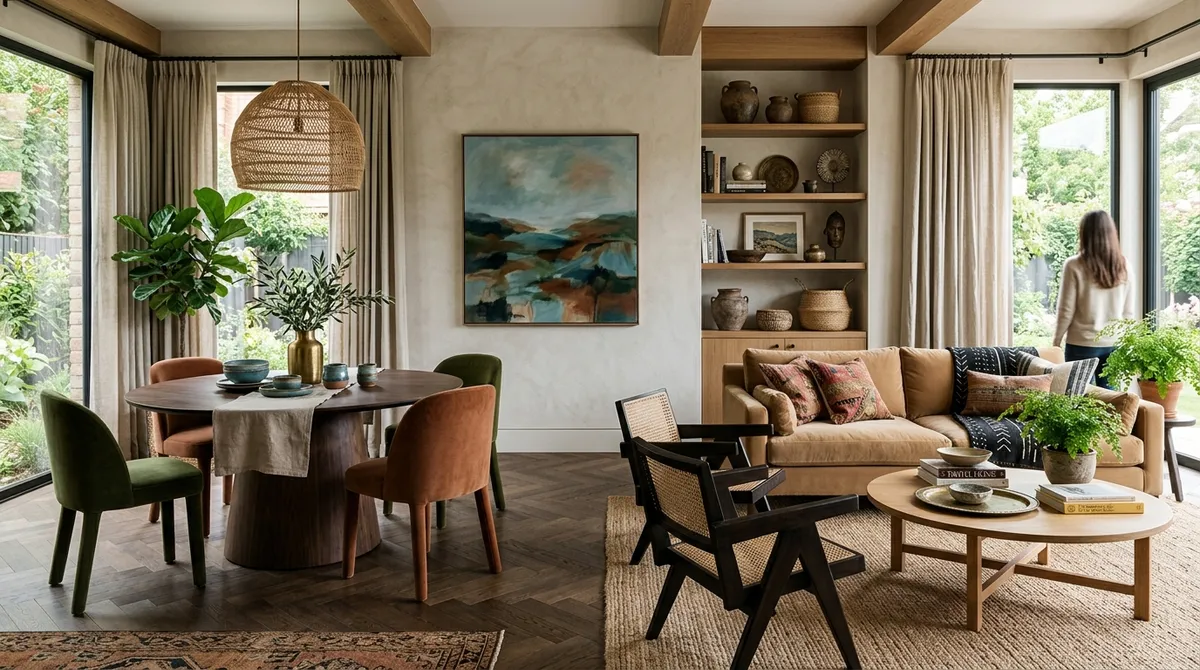
Creating Authentic Travel-Inspired Spaces
According to recent reports from the home design community, travel-inspired interiors continue to gain popularity as homeowners seek personal, story-driven spaces that feel authentically collected rather than generically decorated. This design approach transforms living spaces into reflections of adventure and personal history.
The appeal lies in creating rooms that tell a story - spaces that showcase the homeowner's wanderlust and experiences in sophisticated ways that avoid the pitfalls of tourist-heavy themed rooms.
The Art of Collected vs. Cluttered Design
Design experts note a crucial distinction between collected interiors and souvenir clutter. The key difference lies in curation and intentionality. Reports indicate that successful travel-inspired rooms focus on quality pieces that serve both functional and aesthetic purposes, rather than displaying every memento from past trips.
This approach creates sophisticated spaces that hint at adventure without overwhelming the room's primary function. The goal is to achieve a sense of worldly sophistication that feels natural and lived-in.
Translating Travel Memories Into Design Elements
According to design professionals, effective travel-inspired decorating involves translating experiences into broader design elements rather than literal representations. This might mean incorporating color palettes inspired by memorable sunsets, textures reminiscent of favorite destinations, or furniture styles discovered during travels.
The most successful rooms capture the essence of travel experiences through carefully chosen elements that work harmoniously with the home's existing architecture and the family's lifestyle needs.
Adventure-Inspired Color and Texture Strategies
Reports suggest that color and texture play pivotal roles in creating travel-inspired interiors. Desert-inspired earth tones, ocean blues from coastal adventures, or rich jewel tones from international markets can serve as foundation colors for room schemes.
Texture additions might include natural materials like jute rugs reminiscent of tropical destinations, rough-hewn wood pieces that echo rustic European inns, or smooth stones and ceramics that recall Mediterranean travels.
Designing Rooms Around Travel Stories
Design professionals recommend starting with a specific travel memory or experience and building the room's story around that inspiration. This might involve creating a reading nook inspired by a favorite café in Paris, incorporating Moroccan-inspired lighting from a memorable trip, or using artwork that captures the spirit of a beloved destination.
The key is selectivity - choosing one or two strong travel inspirations per room rather than trying to incorporate every destination visited.
Avoiding Theme Park Aesthetics
According to interior design reports, the biggest challenge in travel-inspired decorating is maintaining sophistication while incorporating personal travel memories. Successful implementations avoid literal translations that might make spaces feel like theme restaurants or tourist shops.
Instead, effective travel-inspired design focuses on subtle nods to favorite places through quality materials, sophisticated color schemes, and carefully curated accessories that enhance rather than dominate the space.
Practical Implementation Tips
Design experts suggest starting small with travel-inspired elements. This might mean introducing a single statement piece, such as a vintage map, handcrafted textile, or piece of local artwork, and building the room's palette around that inspiration.
Lighting also plays a crucial role, with many successful travel-inspired rooms incorporating distinctive light fixtures that evoke specific destinations - perhaps Moroccan lanterns, Scandinavian pendant lights, or rustic European chandeliers.
Making Travel Memories Work in Modern Homes
Reports indicate that the most successful travel-inspired interiors balance personal history with contemporary living needs. This means choosing pieces that not only tell a story but also serve practical purposes in daily life.
The approach creates homes that feel both worldly and comfortable, sophisticated yet personal - spaces where the homeowner's adventures enhance rather than overwhelm the living environment.