The Unexpected Design Revolution Happening Beyond the Kitchen
Interior designers have discovered a sophisticated secret for adding architectural detail throughout the home, and it starts in an unexpected place: the kitchen cabinet showroom. According to reports, design professionals are increasingly installing kitchen cabinetry in spaces far from the kitchen, creating custom-looking built-ins and architectural interest at a fraction of traditional renovation costs.
This trend represents a significant shift in home design philosophy, moving away from single-purpose installations toward maximalist, layered interiors where architectural details play a starring role. The approach allows homeowners to elevate their spaces without the major expense and timeline of custom millwork.
Seven Surprising Spaces Getting the Kitchen Cabinet Treatment
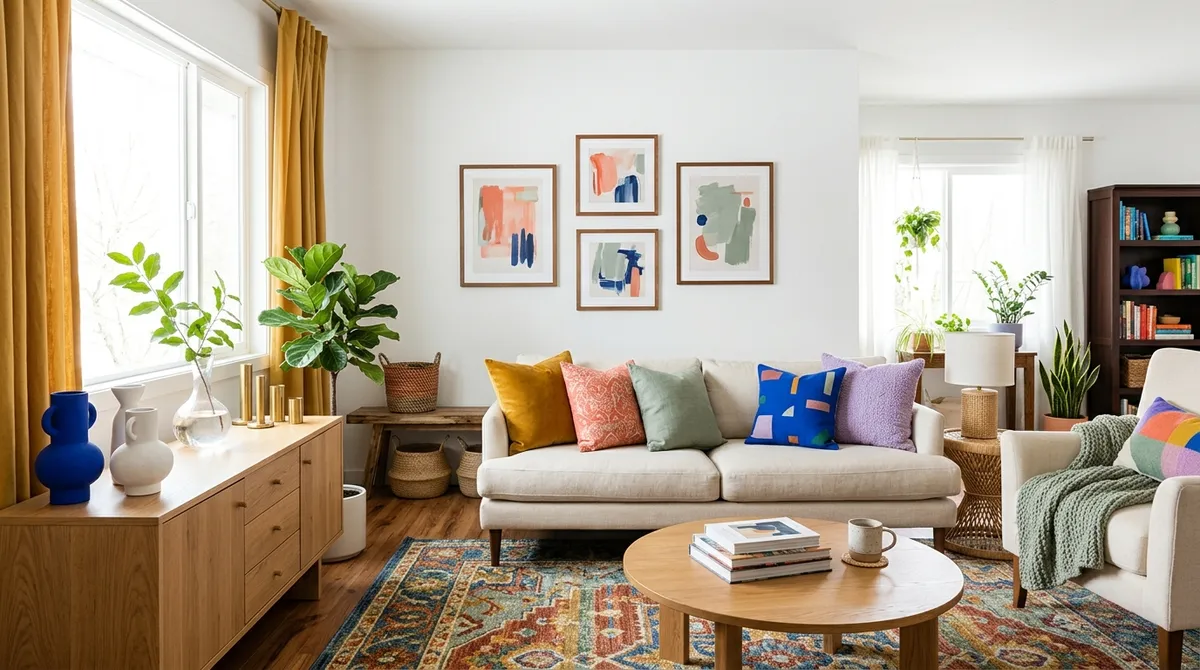
Designers are reportedly implementing this strategy across various rooms throughout the home. According to reports, the most popular applications include formal sitting rooms, where kitchen cabinets create elegant storage solutions that rival custom furniture pieces.
Entry areas are another prime location, with kitchen cabinetry transformed into sophisticated chest-style storage that welcomes guests with architectural flair. Mudrooms benefit from this approach as well, utilizing the durability and organization features that make kitchen cabinets so practical in their original setting.
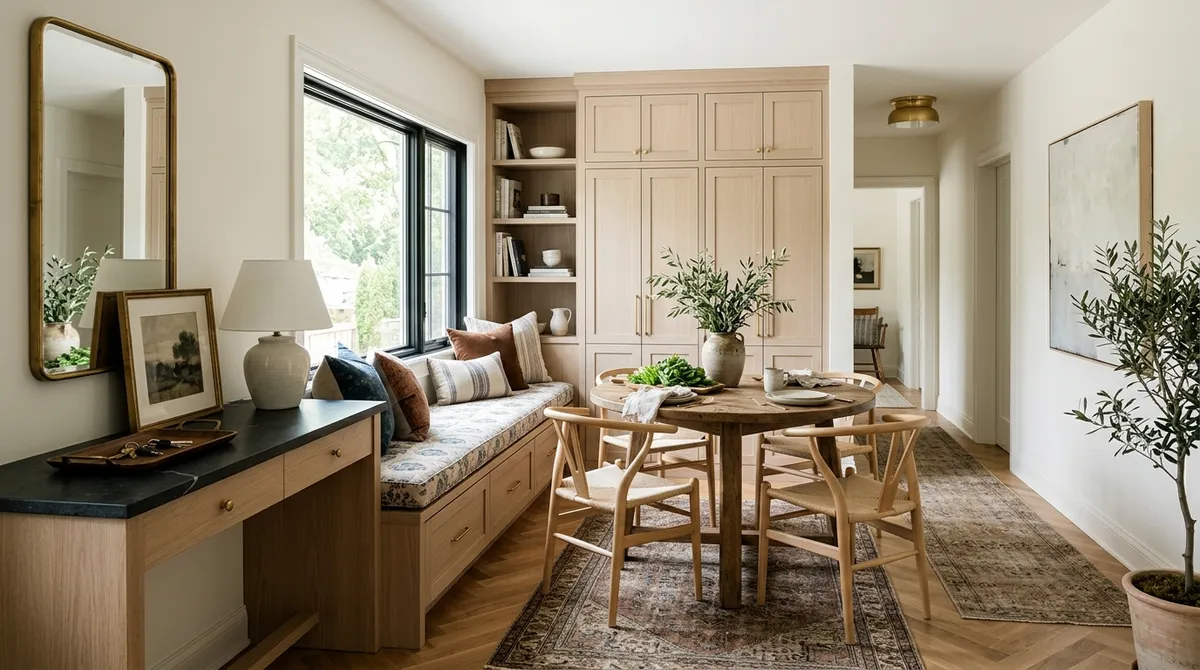
The dining room presents particularly striking opportunities, with banquette seating incorporating kitchen cabinet bases for both comfort and hidden storage. Even entertainment spaces like billiard rooms are getting the treatment, creating cohesive storage and display solutions.
Beyond Traditional Boundaries: Bathrooms and Window Seats
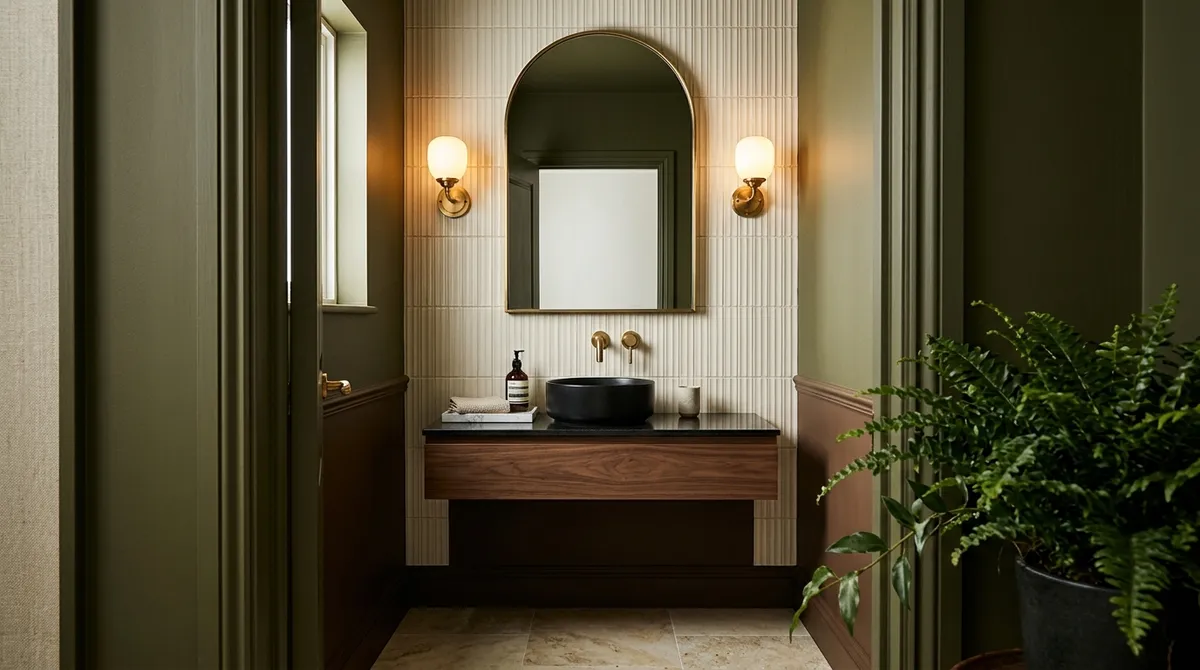
Perhaps most surprisingly, bathrooms are embracing kitchen cabinetry for vanities and storage solutions that offer superior organization compared to traditional bathroom furniture. The moisture-resistant qualities that make kitchen cabinets suitable for their original environment translate perfectly to bathroom applications.
Bay window areas represent another creative application, with kitchen cabinet bases transformed into cozy seating nooks that maximize both comfort and storage potential in these architectural features.
The Design Psychology Behind the Trend
This movement reflects broader shifts in home design preferences, with homeowners gravitating toward spaces that feel intentionally layered rather than sparse or minimalist. The architectural detail that kitchen cabinetry provides helps create visual interest and depth that many contemporary homes lack.
The key to success lies in thoughtful execution rather than simple transplantation. According to reports, the most successful implementations focus on specific design modifications that help kitchen cabinets feel intentional in their new environments.
Making It Work: The Technical Details
The transformation process involves several critical elements that separate amateur attempts from professional-looking results. Hardware selection plays a crucial role, with designers swapping standard kitchen pulls and knobs for pieces that better suit the room's aesthetic and function.
Door profiles require careful consideration as well, since the clean lines that work in modern kitchens might feel out of place in traditional living spaces, while ornate profiles suitable for formal rooms could appear overdone in casual areas.
Paint colors and finishes provide another opportunity for customization, allowing the same cabinet box to serve dramatically different design purposes depending on its final treatment.
Budget-Friendly Alternative to Custom Solutions
The financial appeal of this approach cannot be overstated. Custom built-in furniture and millwork can cost thousands of dollars and require extended timelines for completion. Kitchen cabinetry, produced at scale and readily available, offers comparable functionality and appearance at significantly reduced cost and installation time.
This accessibility makes sophisticated design solutions available to homeowners who previously couldn't justify the expense of custom work, democratizing high-end interior design approaches.
Avoiding Common Pitfalls
Success with this technique requires avoiding several potential mistakes that can make the installation appear obviously repurposed rather than intentionally designed. The most critical factor involves ensuring the cabinet proportions suit the new space's scale and function.
Proper planning also requires consideration of the room's existing architectural elements, ensuring the new cabinetry complements rather than competes with features like moldings, windows, and door frames.
As home design continues evolving toward more personalized, layered approaches, this creative use of kitchen cabinetry represents an accessible way for homeowners to achieve custom-looking results while staying within reasonable budgets and timelines.