
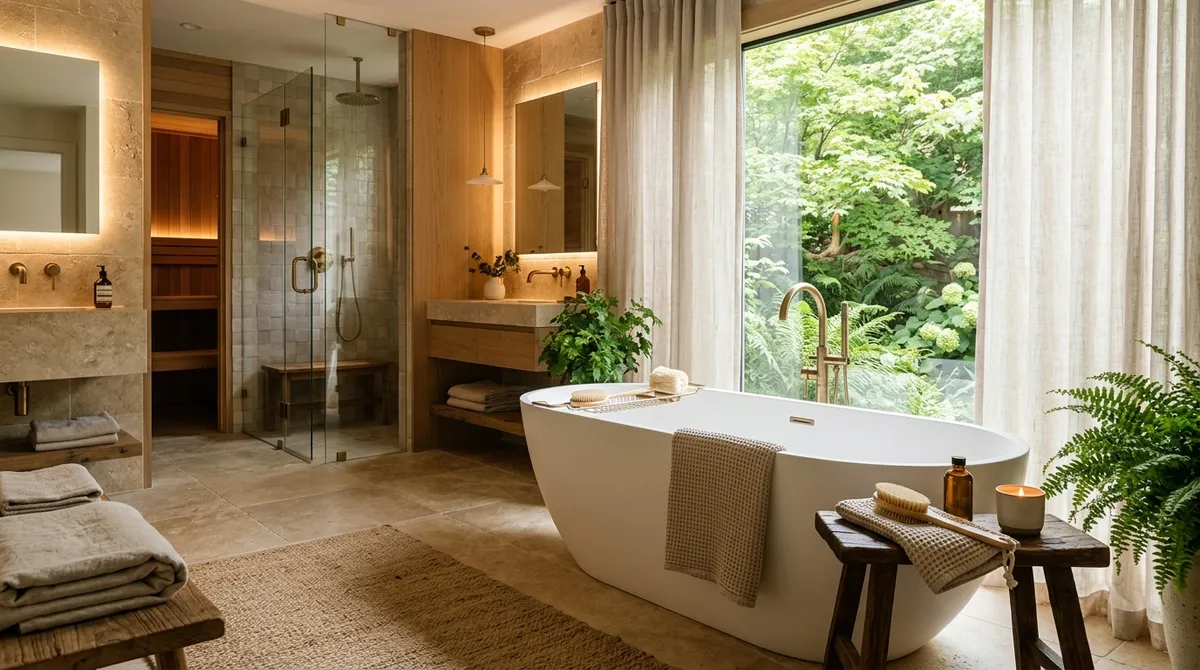
The Shift Toward Wellness-Focused Bathroom Design
Homeowners are increasingly investing in their bathrooms as wellness spaces and personal retreats rather than purely functional rooms, according to recent design trends. This shift reflects a broader cultural movement toward prioritizing mental health and self-care at home, particularly following the pandemic.
The transformation of bathrooms from utilitarian spaces to personal sanctuaries has emerged as one of the most significant home improvement trends, with seven key design approaches leading the charge.
Balancing Spa-Like and Lived-In Aesthetics
The first trend focuses on creating spaces that feel both luxurious and comfortable for daily use. This approach moves beyond sterile, hotel-like designs toward environments that maintain spa-quality elements while feeling genuinely livable. The goal is crafting a space that serves as the ideal place to both start and end each day.
Bathroom Saunas Bring Wellness Home
Incorporating saunas directly into bathroom spaces represents a significant trend toward bringing professional wellness experiences into the home. This addition transforms the bathroom into a comprehensive wellness retreat, allowing homeowners to access therapeutic benefits without leaving their house.
Warm Tones and Finishes That Age Gracefully
The movement toward warm finishes marks a departure from cool, clinical bathroom aesthetics. Materials like unlacquered brass, aged bronze, and carefully selected wood flooring in wet spaces are gaining popularity. These finishes are specifically chosen for their ability to develop character over time, creating spaces that feel more personal and less institutional.
The Return of Sink Skirts
Sink skirts are experiencing a notable revival as homeowners seek ways to add softness and personality to their bathrooms. This classic design element offers a budget-friendly upgrade option that doesn't require full renovation, making it accessible to homeowners looking to refresh their space without major construction.
Thoughtfully Designed Enclosed Showers
Shower design is evolving beyond basic functionality toward more intentional, enclosed spaces. These thoughtfully designed areas prioritize both privacy and the creation of a more immersive bathing experience, contributing to the overall spa-like atmosphere.
Intentional Lighting Creates Ambiance
Lighting design has become a crucial element in bathroom transformations. Rather than relying solely on bright, functional lighting, homeowners are incorporating layered lighting solutions that can be adjusted for different moods and times of day. This approach supports the bathroom's role as a wellness space by allowing for relaxing, dimmed lighting during evening routines.
Immersive Soaking Tubs Take Center Stage
The bathtub is being reconsidered as a centerpiece for relaxation rather than merely a functional fixture. New approaches to bathtub design emphasize creating immersive soaking experiences that support the bathroom's role as a personal retreat.
Budget-Friendly vs. Full Renovation Options
Not all of these trends require extensive renovation. According to design experts, some updates like sink skirts and lighting swaps can be accomplished without professional help, while others such as sauna installation and major plumbing changes typically require professional expertise.
The material choices, particularly unlacquered brass and aged bronze finishes, represent investments in longevity and character development over time, appealing to homeowners who want their spaces to feel collected and lived-in rather than showroom-perfect.
Designing for Different Lifestyles
These trends accommodate various design preferences, from spa-minimalist approaches to warmer, more collected aesthetics. The flexibility allows homeowners to choose elements that align with their personal style while still achieving the overarching goal of creating a wellness-focused space.
The emphasis on bathroom renovation reflects how homeowners are rethinking the relationship between their living spaces and daily routines, prioritizing environments that support both physical and mental well-being.